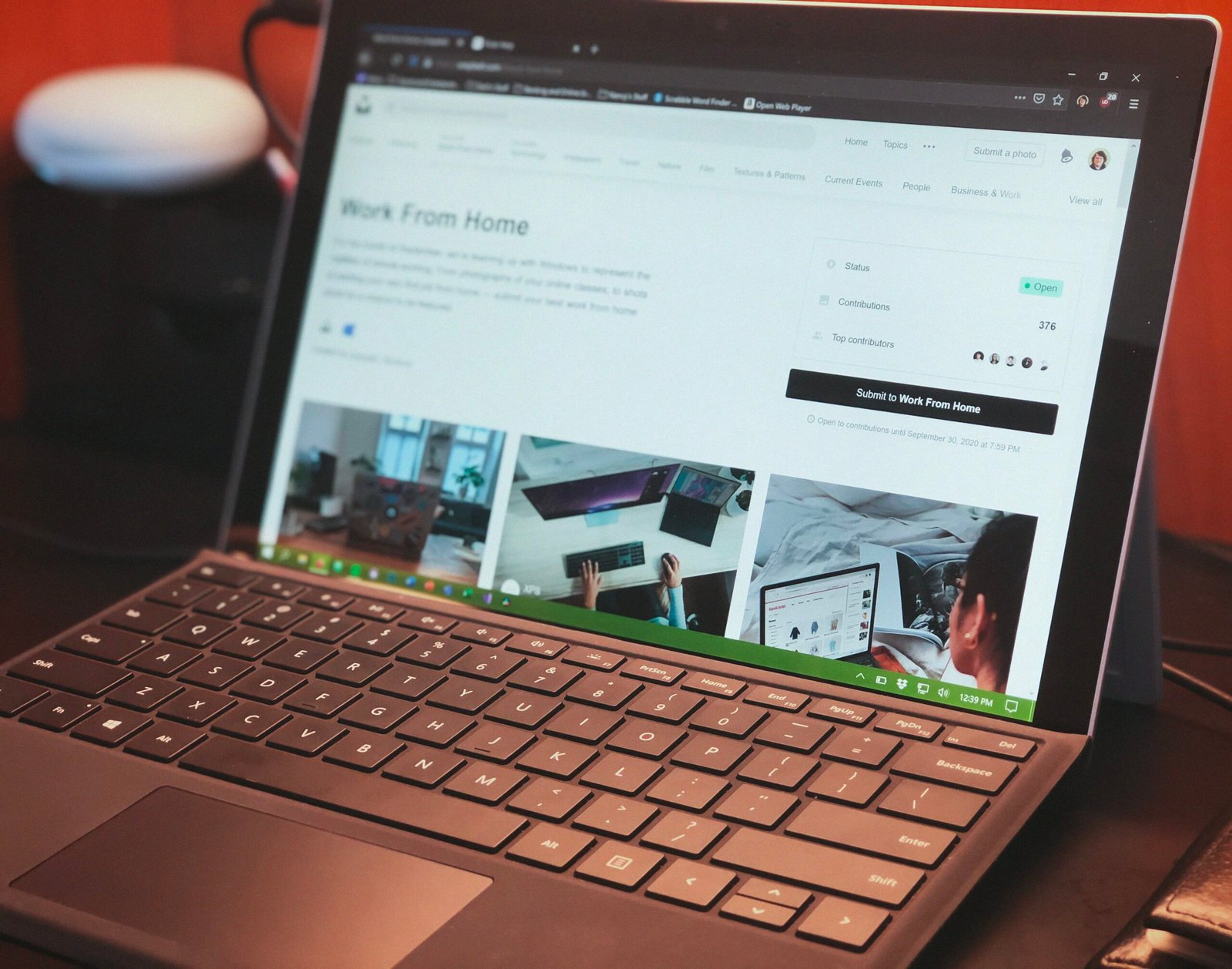
The Rise of Remote Work
In recent years, remote work has transcended from a niche arrangement to a mainstream mode of operation within various industries. Data from multiple sources indicate a profound shift in workplace dynamics, with an estimated 30% of the workforce engaged in remote work at least part-time as of 2023. This trend has been propelled by technological advancements, which facilitate seamless communication and collaboration, effectively erasing geographical barriers.
Moreover, the COVID-19 pandemic acted as a catalyst for this transition, compelling many businesses to adopt remote work strategies overnight. A study conducted by Gartner revealed that nearly 74% of companies planned to shift some employees to remote work permanently post-pandemic, signaling a lasting change in employment practices. Consequently, organizations have recognized the flexibility and potential cost savings associated with remote setups, leading to an increase in fully remote positions.
However, the rise of remote work has ignited a debate surrounding productivity. Proponents argue that working from home fosters an environment conducive to focused work, as employees can tailor their settings to their preferences. Conversely, critics raise concerns about potential distractions and the challenges posed by isolation. This dichotomy brings to light essential questions regarding employee engagement, teamwork, and overall efficiency, prompting researchers and leaders alike to reevaluate how productivity is measured in remote environments.
As we delve deeper into this topic, we will analyze various dimensions of remote work and its implications for productivity. The contemporary workforce is at a crossroads; understanding how remote work affects team effectiveness is crucial to shaping future workplace policies and practices. Through examining statistical data, employee testimonials, and expert opinions, we will gather insights that further illuminate this ongoing discussion.
Potential Distractions and Lack of Supervision
In the current remote work environment, employees often encounter numerous distractions that can significantly impact their productivity. These distractions may arise from domestic responsibilities, such as household chores and maintenance, which can easily divert attention from professional tasks. The ease of access to personal responsibilities can foster a work atmosphere where employees find it challenging to maintain focus on their duties.
The presence of family members can also contribute to interruptions. Whether it’s children requiring attention, pets needing care, or partners seeking assistance, these domestic interactions can fragment work time, making it difficult to sustain a productive workflow. Consequently, the ability to concentrate on essential tasks is often compromised.
Moreover, the accessibility of entertainment options, such as television streaming services and social media platforms, pose an additional challenge. With many employees working in a setting that encourages leisure, the temptation to engage in these activities can lead to procrastination and diminished work output.
Another critical factor to consider is the lack of direct supervision that typically characterizes remote working arrangements. In a traditional office environment, managers and supervisors exert a certain level of influence that can motivate employees to adhere to their responsibilities and deadlines. The absence of this oversight in a home office setting might result in reduced accountability, leading to further declines in work ethic and productivity. Some employees may struggle to regulate their time effectively without the presence of a supervisory figure to guide and encourage them.
In summary, potential distractions, coupled with the absence of direct supervision, can create challenges for employees working from home. Addressing these issues is crucial for maintaining effective productivity levels in a remote work environment.
Communication Delays and Team Collaboration Challenges
In the context of remote work, effective communication is crucial for maintaining team cohesion and productivity. However, the transition to a digital-only communication framework can introduce several challenges that may hinder collaboration among team members. One primary issue is the reliance on a plethora of digital communication tools, such as emails, messaging applications, and virtual meeting platforms. While these technologies offer convenience, they often lack the immediacy and richness of face-to-face interactions.
Communication delays can occur when team members are spread across different time zones or adhere to varying work schedules. Such delays can lead to misunderstandings or miscommunications, negatively impacting project timelines and overall team productivity. If a team member sends a message late in the day, for instance, the response may not arrive until the next working day, leaving unresolved questions that may stall progress.
Moreover, the absence of non-verbal cues, which play a significant role in detecting tone and intent during in-person conversations, can amplify the potential for misunderstandings in written communications. This scenario escalates the risk of conflict, as messages may be perceived differently than intended. As a result, team cohesion can suffer, leading to further communication breakdowns, decreased collaboration, and ultimately diminishing productivity.
To mitigate these challenges, it is essential for organizations to prioritize prompt communication and provide clear guidelines for using communication tools effectively. Establishing regular check-ins or virtual meetings can facilitate better understanding among team members, helping to maintain a sense of connection. Furthermore, ensuring that technology is user-friendly and fostering a culture that values transparency can empower teams to bridge communication gaps more efficiently. Addressing these barriers to effective communication in remote work environments is critical to sustaining productivity and a collaborative spirit.
The Case for Remote Work: Flexibility and Work-Life Balance
Remote work has increasingly become a topic of discussion in today’s workforce, particularly in light of recent global events that have necessitated a shift towards this model. One of the primary advantages of remote work is the enhanced flexibility it offers employees. With the ability to set their own schedules, individuals can tailor their work hours to fit their personal needs. This flexibility can be particularly beneficial for caregivers, students, or those who require a more adaptable work environment.
Moreover, remote work significantly contributes to a better work-life balance. By eliminating the need for long commutes, employees can regain precious hours that previously went towards travel. This time can be utilized for personal pursuits, family engagements, or rest—factors crucial to maintaining both mental and physical health. The shift to remote work allows employees to establish boundaries between their professional responsibilities and personal lives, fostering a healthier overall lifestyle.
Increased job satisfaction is another key outcome of remote work arrangements. Employees who feel in control of their work environment and schedules often exhibit higher motivation and commitment to their roles. This sense of autonomy can lead to enhanced productivity, as individuals are more likely to engage in work that resonates with their personal preferences and routines. While it is acknowledged that challenges exist within the remote work framework, such as potential feelings of isolation or difficulties in communication, these issues can often be traced back to management practices rather than the remote work model itself. With proper management strategies and tools in place, remote work can indeed promote an increase in job satisfaction and productivity.